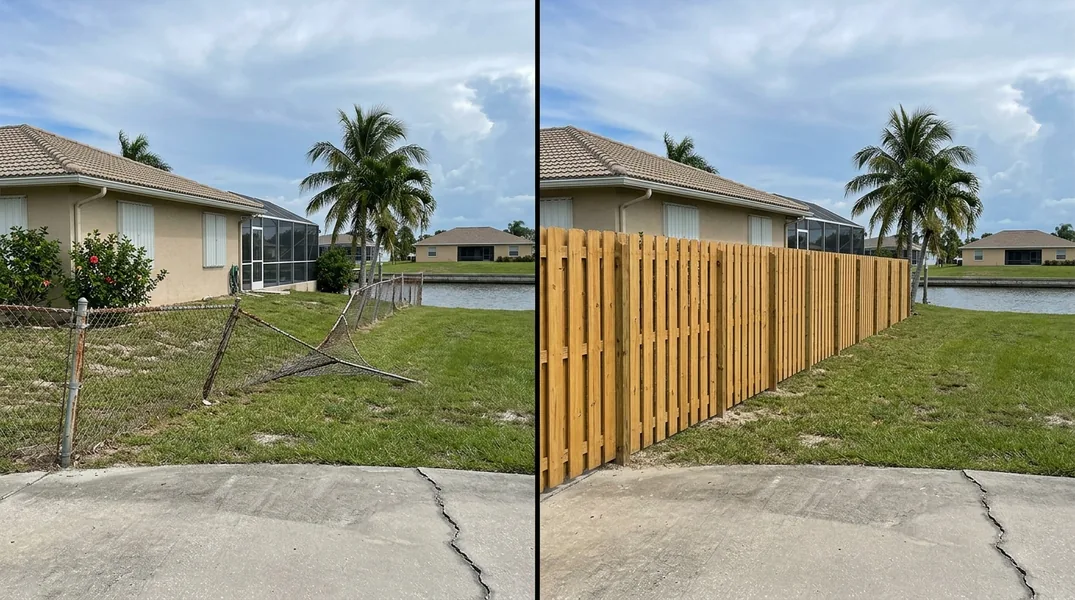
What Happened to Fences During Hurricane Ian in Cape Coral
Hurricane Ian made landfall in southwest Florida in late September 2022, and Cape Coral residents experienced some of the most severe impacts in the state. Wind gusts exceeded 150 mph in many areas, and the storm surge combined with sustained winds created a perfect storm for property damage. Fences, being among the most exposed structures on a residential property, took a beating. Many homeowners watched in dismay as their fence lines failed, collapsed, or were severely damaged during the hurricane's passage.
What was particularly instructive about Hurricane Ian's impact was how differently various fence materials and installation methods performed. Some fences that had stood for decades crumbled in hours, while others remained largely intact despite the extreme conditions. This real-world test provided valuable data for homeowners and contractors alike about what actually works when hurricane-force winds arrive at your property. Understanding these lessons is critical if you're planning to install or upgrade fencing in Cape Coral today.
Why Wind Load and Fence Wind Resistance Matter More Than You Think
When engineers and contractors talk about wind load fence specifications, they're measuring how much force a fence can withstand before it fails. Wind load is typically expressed in pounds per square foot (psf), and it's calculated based on wind speed, the height of the fence, and the density of the fence material itself. A fence rated for 90 mph winds will perform very differently than one rated for 130 mph winds. During Hurricane Ian, many Cape Coral residents discovered they had installed fences designed for standard residential wind loads (typically 90 mph), which are completely inadequate for major hurricane events.
Fence wind resistance depends on several interconnected factors. The depth and quality of post installation is paramount; posts that are set only 24 inches deep in sandy soil will pull out far more easily than posts set 36 to 42 inches deep in properly compacted soil. The spacing between posts matters significantly as well. Wider spacing (more than 6 feet apart) creates larger panels that catch more wind, while narrower spacing (4 to 6 feet) distributes the force across more structural points. The density and solidity of the fence material itself also plays a role. A solid wood panel catches more wind than a slatted design with gaps, but proper engineering of both styles is essential for hurricane resistance.
Wood and Privacy Fence Performance After Hurricane Ian
Wood & Privacy Fence Installation is popular in Cape Coral because homeowners value the aesthetic appeal and natural look of wood. However, Hurricane Ian revealed that many wood fences in the area were not adequately engineered for severe wind events. Fences with shallow post installations, wide panel spacing, or poor-quality wood failed at alarming rates. The problem was often compounded by water damage and rot that had weakened the wood over years of Florida's humid climate.
That said, properly installed wood privacy fences did hold up reasonably well in many cases. The key difference was in the installation methodology. Fences with posts set 36 to 42 inches deep, using concrete footings that extended below the frost line, and with reinforced bracing experienced significantly less damage. Wood species matters too; pressure-treated pine and cedar are more durable than untreated wood, but they still require proper installation to resist hurricane-force winds. Many homeowners learned that a beautiful wood fence is only as good as its foundation and structural engineering. If you're considering Wood & Privacy Fence Installation in Cape Coral, insisting on hurricane-rated specifications from the start is a smart investment.
Vinyl, Aluminum, and Chain Link: How Other Materials Fared
Vinyl & PVC Fence Installation became increasingly popular before Hurricane Ian, with many homeowners attracted to the low-maintenance appeal of vinyl. During the hurricane, vinyl fences showed mixed results. Vinyl is rigid and does not flex like wood, which can be an advantage or disadvantage depending on installation quality. Vinyl panels that were properly secured with reinforced brackets and deep post installations generally held up well. However, vinyl panels that were simply snapped into place without additional bracing sometimes cracked or shattered under extreme wind pressure. Aluminum & Ornamental Iron Fencing performed exceptionally well during Ian because of its inherent strength and flexibility. Aluminum fences bent but rarely broke, and their open design allows wind to pass through rather than creating a large catching surface.
Chain Link Fence Installation proved to be remarkably resilient during Hurricane Ian. Because chain link is open-weave and allows wind to pass through, it experiences far less force than solid fence panels. While some chain link fences were damaged by flying debris or bent posts, the fence material itself rarely failed. This makes chain link an underrated option for homeowners in hurricane-prone areas who prioritize durability over aesthetics. The lesson across all materials is clear: design and installation matter far more than material choice alone. A poorly installed vinyl fence will fail before a properly installed chain link fence every time.
Florida Building Code Fence Requirements and What Changed After Ian
Florida Building Code has specific requirements for residential fencing, and these standards have been updated multiple times in response to hurricane damage. The current code requires posts to be set a minimum of 24 inches deep for residential fences up to 6 feet tall, but this depth is often inadequate for hurricane-force winds. Many building officials and contractors now recommend 36 to 42 inches for better performance. The code also specifies post spacing based on fence height and wind load calculations. For a standard 6-foot residential fence, posts should typically be no more than 6 feet apart, though closer spacing (4 to 6 feet) is preferable for hurricane-rated installations.
Post materials and concrete specifications are equally important. Florida Building Code requires concrete footings for residential fence posts, and the concrete must extend below the frost line (though Florida's frost line is shallow compared to northern states). The diameter and depth of the concrete footing affects how well the post resists uplift and lateral forces. Additionally, the code now emphasizes proper bracing and reinforcement, particularly for tall privacy fences. If you're planning a fence installation in Cape Coral, working with a contractor who understands these specifications and applies them consistently is essential. You can review the official Florida Building Code requirements through your local building department, though the language can be technical for homeowners. Getting a free estimate from an experienced local contractor will ensure your fence meets or exceeds current standards.
Choosing Hurricane-Rated Fencing for Your Cape Coral Home
If you're ready to install or replace fencing after Hurricane Ian's lessons, several key decisions will affect your fence's ability to withstand future storms. First, decide whether you prioritize privacy or wind resistance. Solid privacy fences provide seclusion but catch more wind; open designs like chain link or aluminum allow wind to pass through. Second, select a material that aligns with both your aesthetic preferences and your budget for maintenance and durability. Third, and most importantly, insist on installation methods that exceed minimum code requirements. Deep post installation with reinforced concrete footings, closer post spacing, and proper bracing are not luxuries; they're investments in your property's resilience.
The pricing for hurricane-rated fence installation is typically higher than standard installations, but the difference is often modest when compared to the cost of replacing a failed fence after a storm. A properly engineered fence will protect your property, provide privacy and security, and withstand the environmental challenges that Florida homeowners face. Cape Coral Fence Company specializes in hurricane-rated fencing that meets and exceeds Florida Building Code requirements. Whether you're interested in Wood & Privacy Fence Installation, vinyl, aluminum, or chain link options, our team can help you design and install a fence that will protect your property for years to come. Call us at (239) 323-1805 to discuss your specific needs and get started with a free estimate today.
Looking for a professional fence contractor in Cape Coral? Cape Coral Fence Company responds fast for all your fence needs.
Get a Free Quote